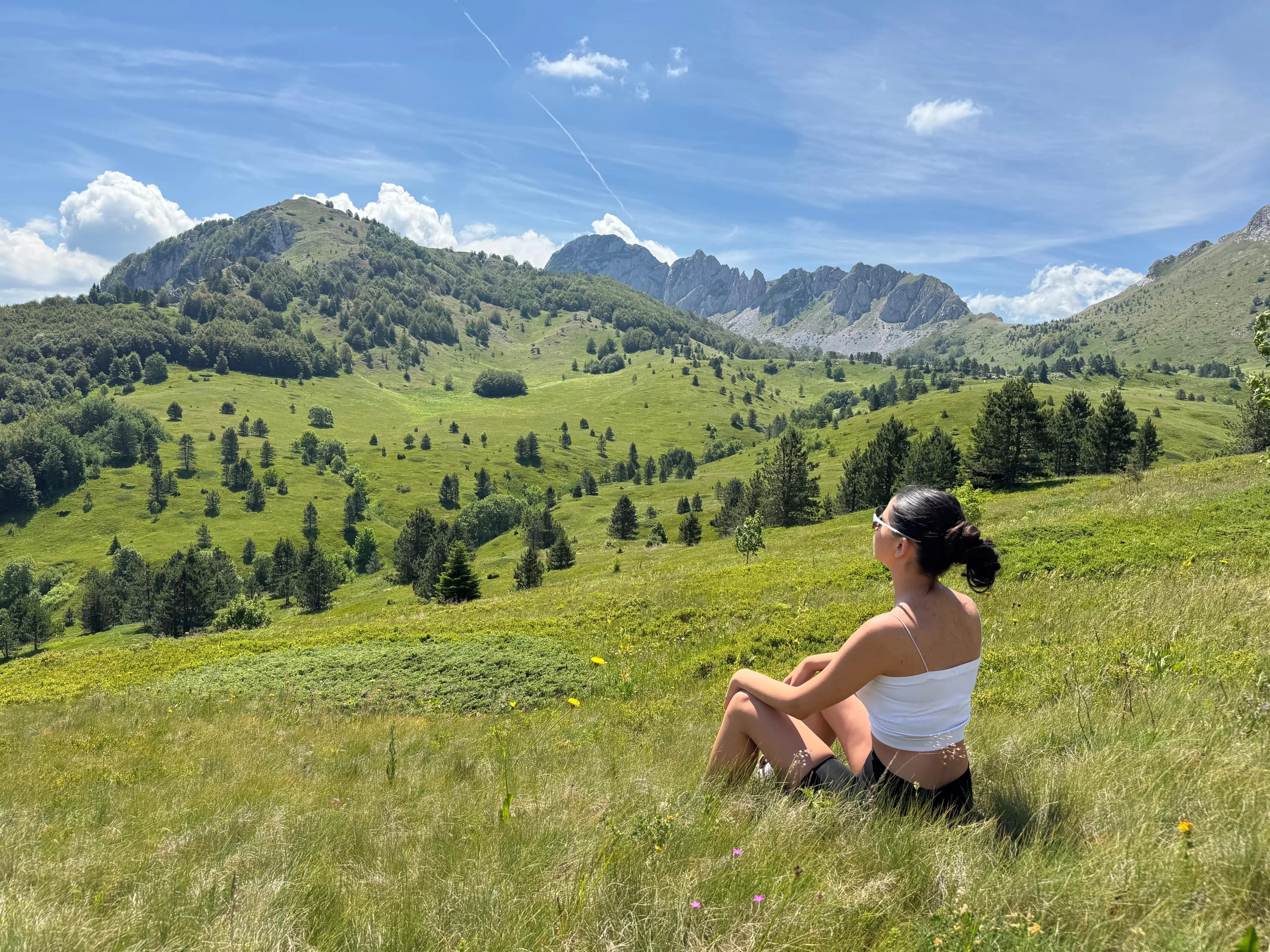
Bosnia and Herzegovina · NP Sutjeska
Sutjeska National Park
The oldest national park in Bosnia. The highest peak. The last primeval forest. The deepest canyon. All within a few hours of each other.
1962
Year established
43,000
Hectares of wilderness
2,386m
Highest peak — Maglić
75m
Skakavac Waterfall
What is Sutjeska National Park?
Sutjeska is Bosnia and Herzegovina's oldest national park, established in 1962. It covers 43,000 hectares of mountains, canyons, rivers and forests in the southeast of the country, near the town of Foča.
Within its boundaries: the highest peak in Bosnia and Herzegovina (Maglić, 2,386m), one of only two remaining primeval forests in Europe (Perućica), one of the deepest canyons in Europe (Sutjeska canyon), and seven glacial lakes on Zelengora mountain.
The park has no mobile signal in most areas. Roads are poor or non-existent in the mountains. That is not a problem — that is precisely what makes it one of the last genuinely wild places in Europe.
Where to go
Five destinations, each completely different. Most visitors see two or three in a single trip.
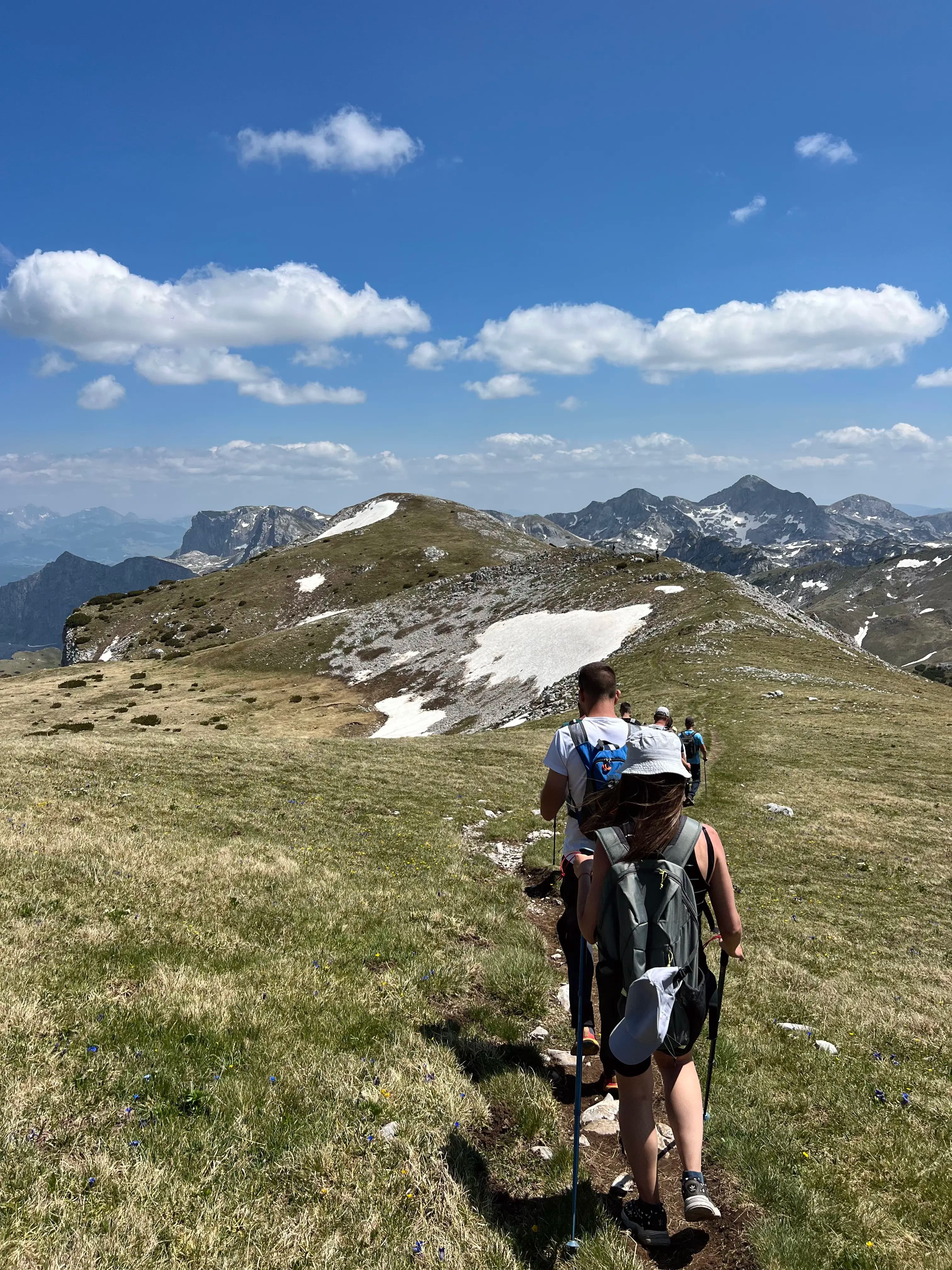
Maglić — 2,386m
The highest peak in Bosnia and Herzegovina. On a clear day you can see the Adriatic Sea. The route from Prijevor is one of the finest day hikes in the Balkans — demanding but unforgettable.
Read full guide →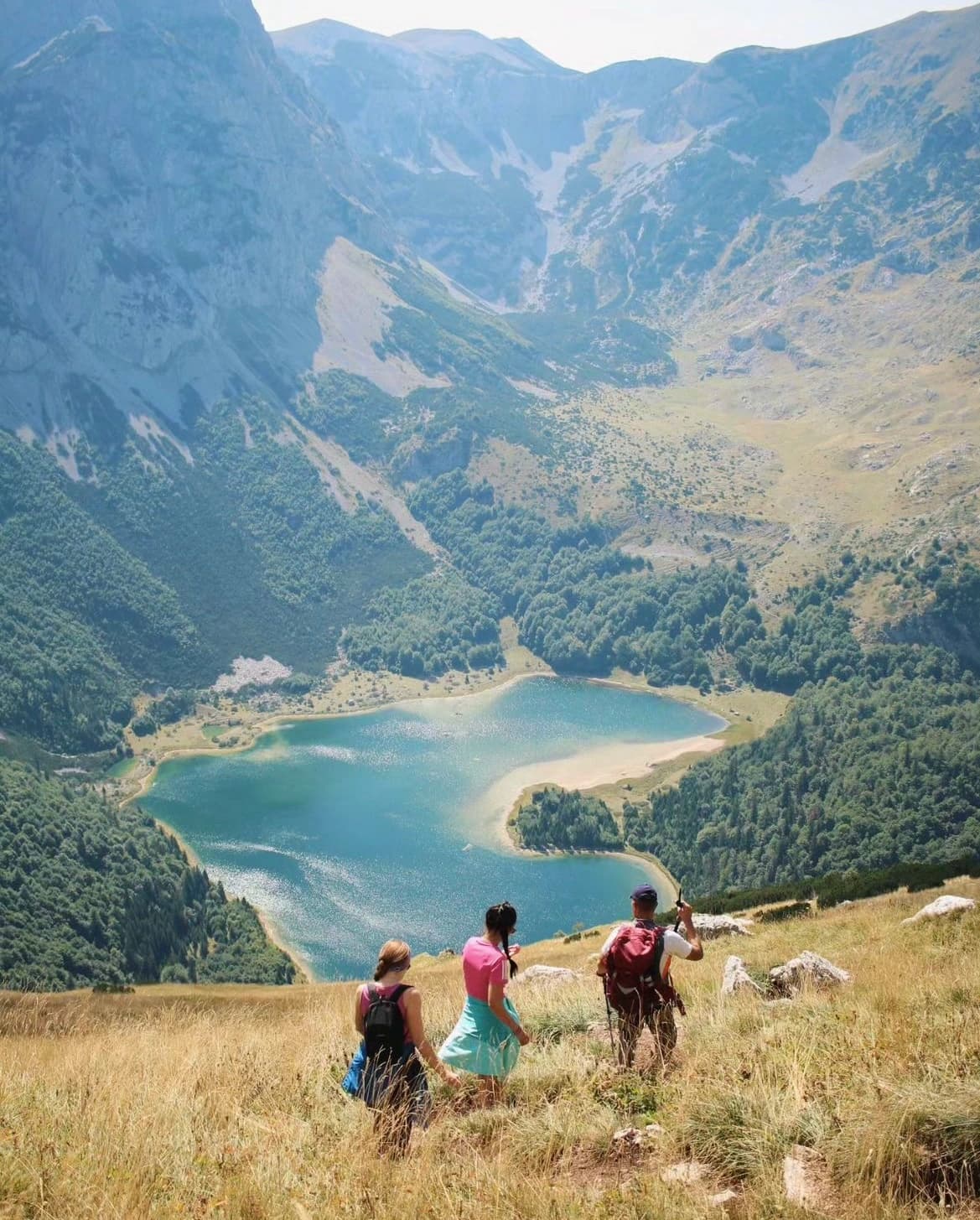
Trnovačko Lake
A heart-shaped glacial lake at 1,517m on the border of Bosnia and Montenegro. Turquoise water, complete silence, and Miloš's mountain café where the beer chills in a 100-litre barrel of spring water.
Read full guide →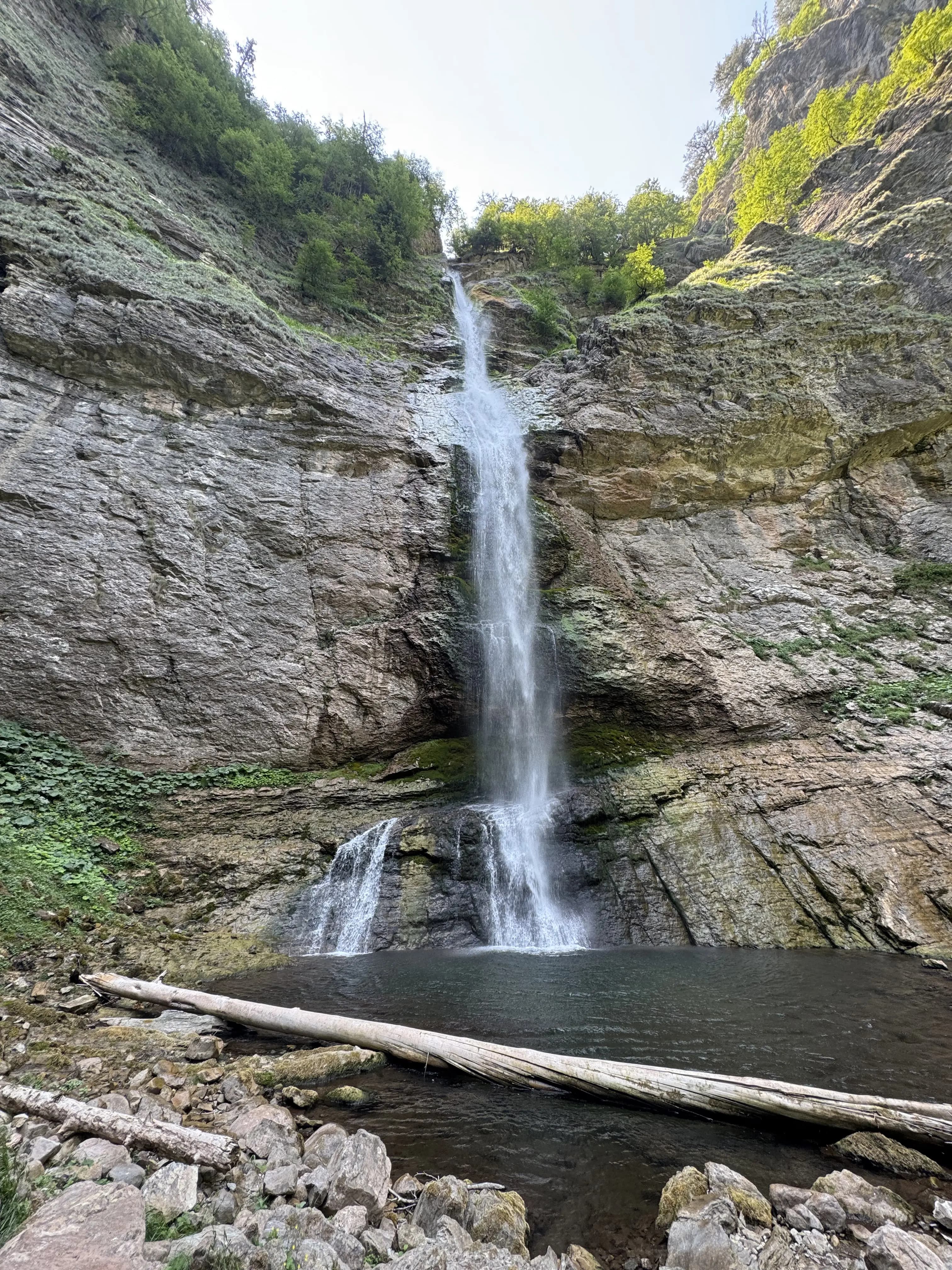
Perućica Rainforest
One of only two remaining primeval forests in Europe. Trees over 300 years old. Skakavac Waterfall drops 75 metres of free fall. A place that changes people — quietly, permanently.
Read full guide →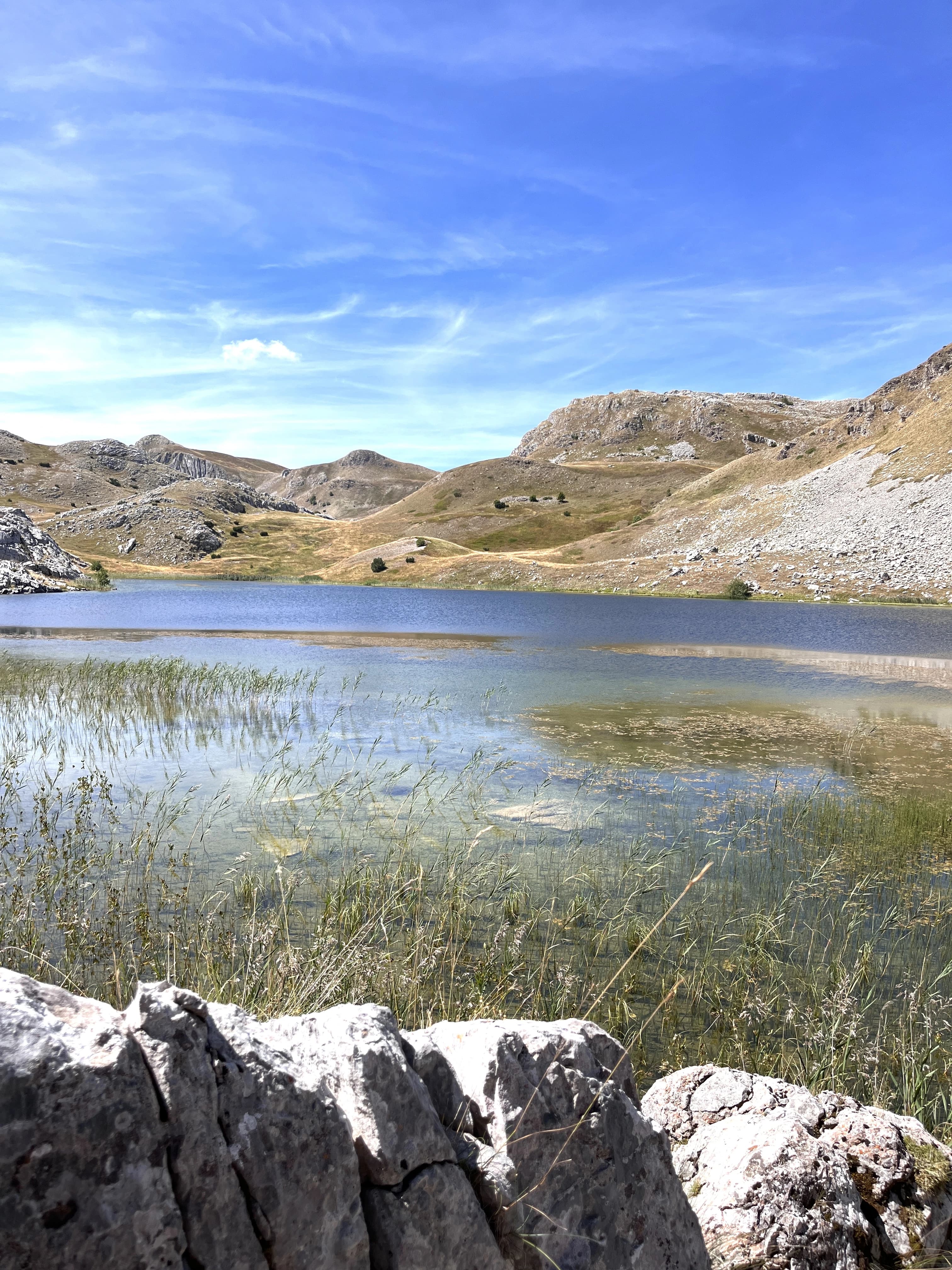
Zelengora Mountain
Seven glacial lakes, open meadows and panoramic ridgelines. Wild blueberries in August. Tito's villa at Donje Bare. The most underrated mountain in Bosnia — because most people simply don't know what's there.
Read full guide →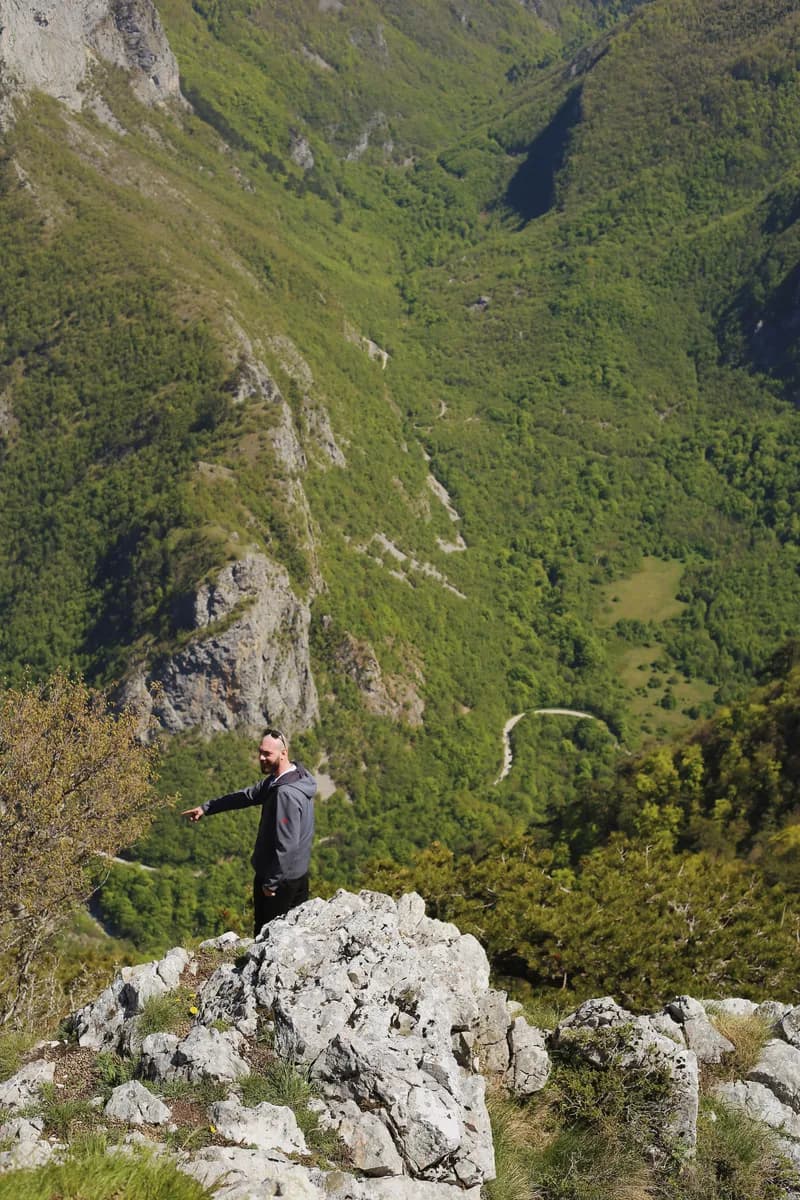
Sutjeska Canyon
The deepest canyon in Europe. The Sutjeska river runs crystal clear — you can drink directly from it. Rich in trout, historically significant from WWII. No marked trails — this is true wilderness.
When to visit
May – June
Wildflowers and waterfalls
Snow melting on Maglić, Skakavac at full power, trails coming alive with colour. The park at its greenest.
July – August
Peak season
Warmest temperatures. Wild blueberries on Zelengora. Longest days for multi-peak days. Book early — this is when everyone comes.
September
The finest month
Stable weather, golden colours, fewer people. Our personal recommendation for first-time visitors. Almost perfect conditions.
October
Autumn colours
Dramatic skies, auburn forests, cold mornings. Fewer tours operating but the landscape is extraordinary for those who come.
How to get here
Tjentište is the main village inside the park — all our tours depart from here.
130 km · ~2 hours
Closest airport. Route via Trnovo and Miljevina — through Bistrica canyon.
230 km · ~3 hours
Through Trebinje and Gacko. One of the most beautiful drives in the region.
180 km · ~2.5 hours
Via Nikšić and Šćepan Polje. Past Piva Lake on the way.
330 km · ~4 hours
Via Foča. Option to stop at Andrićgrad and Višegrad.
160 km · ~2.5 hours
Through Nevesinje and Gacko.
550 km · ~6 hours
Via Sarajevo. Worth stopping in Sarajevo on the way.
We organise transfers from all cities above. Contact us on WhatsApp for pricing.
Our tours
Day trips and multi-day adventures. All include a licensed guide, off-road vehicle transport and park entry fees.
Trnovačko Lake
1 day · Moderate
€75
per person
Maglić + Trnovačko Lake
1 day · Challenging
€95
per person
Perućica + Skakavac
1 day · Moderate
€90
per person
Canyoning Hrčavka
1 day · Moderate
€130
per person
Zelengora Lakes
1 day · Easy
€70
per person
Zelengora Jeep Safari
1 day · Easy
€70
per person
Camping Trnovačko + Maglić
3 days · Moderate
€170
per person
Sutjeska Heart — 5 days
5 days · Moderate
€550
per person
Your guide
Petar Kostić
Licensed mountain guide and licensed river skipper with over 15 years of experience in Sutjeska National Park and the surrounding Dinaric Alps. Born and based in Foča.
Petar learned to swim and dive in the Tara river. He knows Maglić well enough to know when to turn back. He knows the three vipers that guard the spring in Perućica. He knows Miloš at Trnovačko Lake.
We are always in contact with Mountain Rescue. Safety is the only thing that never gets compromised.
Contact Petar on WhatsApp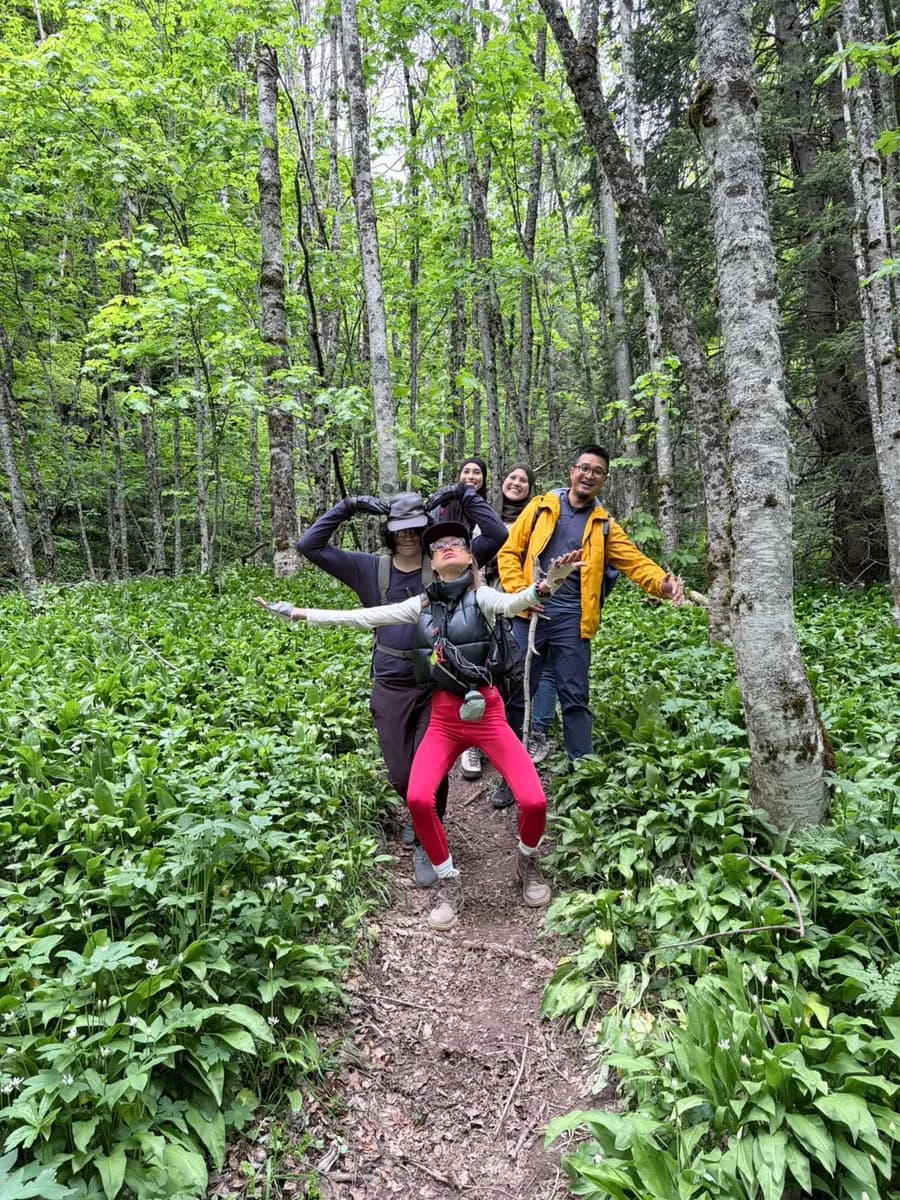
Frequently asked questions
Everything you need to know before visiting Sutjeska National Park.
Do I need a guide in Sutjeska National Park?
We strongly recommend it. People have lost their lives on Maglić without a guide. There is no mobile signal in most of the park, trails are not always clearly marked, and the terrain changes quickly. Our guides know every metre of the park. Safety is always first.
How much does the park entrance cost?
Sutjeska National Park entry is 10 KM (approximately €5) per person. Piva Nature Park (which you pass through on the way to Trnovačko Lake) is €1 per person for a day visit. Both are included in our tour prices.
Is there mobile signal in Sutjeska National Park?
Very little or none at all. This is genuine wilderness. Some networks have a faint signal at Tjentište, but once you head into the mountains — you are offline. That is part of the experience.
Can I book a tour for just one person?
Yes. Solo tours are available — they are priced slightly higher than group tours since we organise everything for one person. Contact us on WhatsApp and we will arrange it.
How far in advance do I need to book?
We can organise tours with one day's notice in most cases. We have guides, vehicles and all the equipment ready. That said, for multi-day tours and during peak season (July–August), a few days' notice is better.
How fit do I need to be for Maglić?
Maglić requires good physical fitness. It is not a technical climb but it is a full-day effort — around 7–8 hours walking with significant elevation gain. If you are not in regular physical activity, we honestly recommend Trnovačko Lake or Zelengora instead. We would rather be honest than have you struggle.
What is the easiest tour in the park?
Zelengora — the lakes and viewpoints tour or the jeep safari — requires no particular fitness. The jeep safari is entirely by vehicle with short walks to viewpoints and lakes. Ideal for families or anyone who wants to see the park without demanding hiking.
Can I camp freely in the park?
Camping is permitted in designated areas only. This is primarily for your own safety — the park has wildlife. We organise camping at Tjentište and at Trnovačko Lake with full equipment provided.
Where do guests stay at Tjentište?
We have a camp at Tjentište with bungalows from single occupancy to groups of 8. The camp has a restaurant, a bar, a pool and everything a modern camp offers. It sits at the entrance to the national park — you wake up in the mountains.
What is the best time of year to visit?
June to October. June brings wildflowers and lush green. July and August are warmest — wild blueberries on Zelengora in August. September is perhaps the finest month: stable weather, golden colours, fewer crowds. October brings autumn colours and dramatic skies.
Ready to explore Sutjeska?
Contact us on WhatsApp — we respond within one hour and can organise your tour with one day's notice.